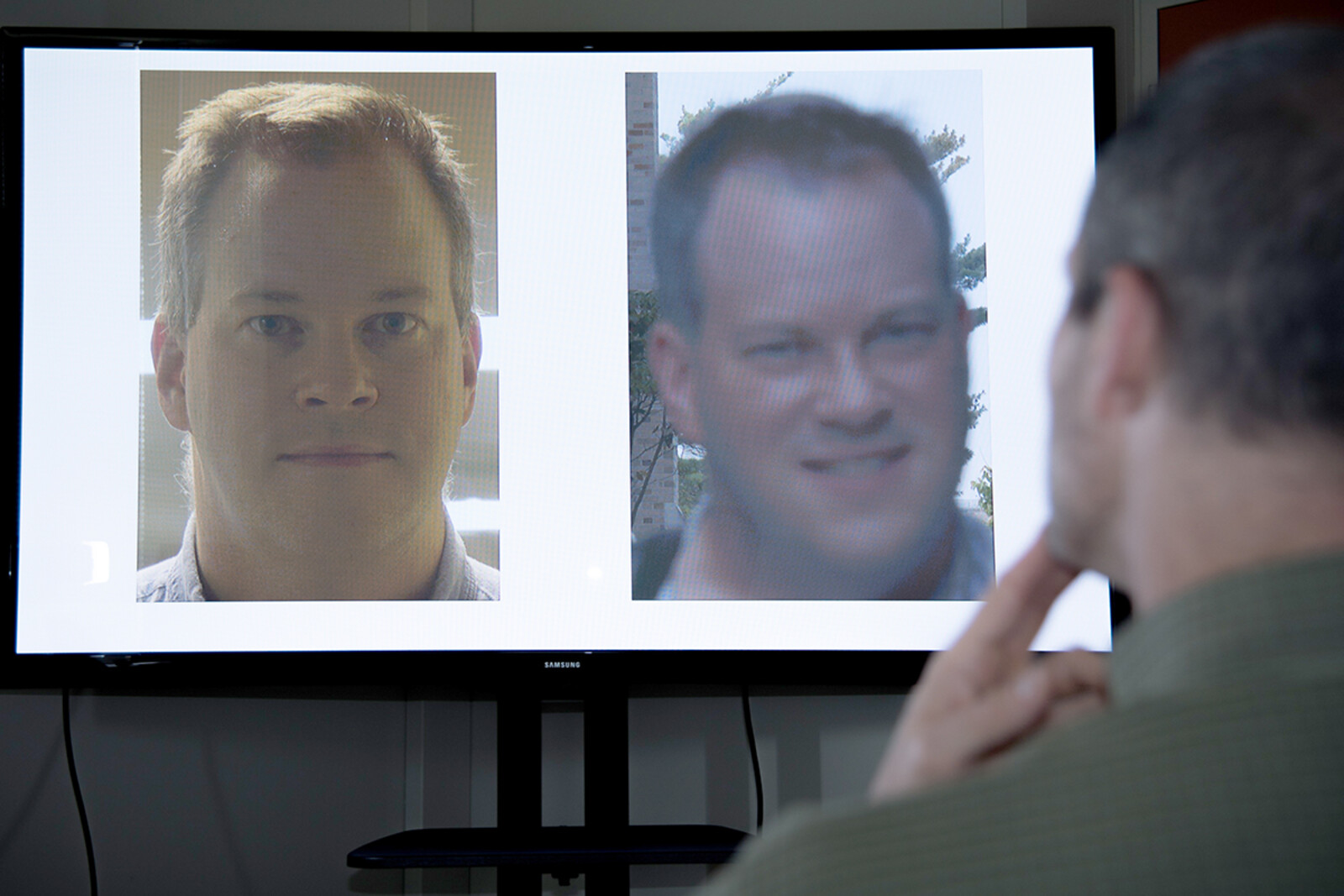
If police software picks your face out of a database, can you see what else it found? A 2025 legal survey describes cases in which defendants sought that information and courts reached different outcomes. The ability to challenge a computer's suggestion can depend on the rules around it.

The review, published in the European Review of Digital Administration & Law by an author who remained anonymous for institutional reasons, found no overarching federal framework specifically governing police facial recognition. That is not the same as an absence of federal law: the author explicitly notes that existing privacy, civil-rights and other statutes may apply.
Different rules address different steps
The survey describes several approaches. Some cities prohibited police use. Other jurisdictions imposed temporary pauses or regulated particular steps, such as obtaining permission for a search or deciding what evidence can justify an arrest.
The distinctions matter. A rule governing whether police may search a face answers a different question from a rule governing what they may do with a possible match.
The search itself can become disputed evidence
The author contrasts two cases. In Lynch v. Florida, an appellate court rejected a defendant's request for other photographs returned by the search. In State v. Arteaga, a New Jersey court required disclosure of facial-recognition information.
Those outcomes should not be read as contradictory decisions on identical facts. The cases arose under different legal rules and circumstances; the survey uses them to illustrate the uneven opportunities defendants had to examine this evidence.
Broader privacy rules were the author's proposed answer
Writing in 2025, the author called for privacy legislation that would apply across technologies. That recommendation did not itself change the law. Later legal developments would need to be checked separately.
For someone named by a search, the practical question comes earlier: what information can they obtain to challenge the match?