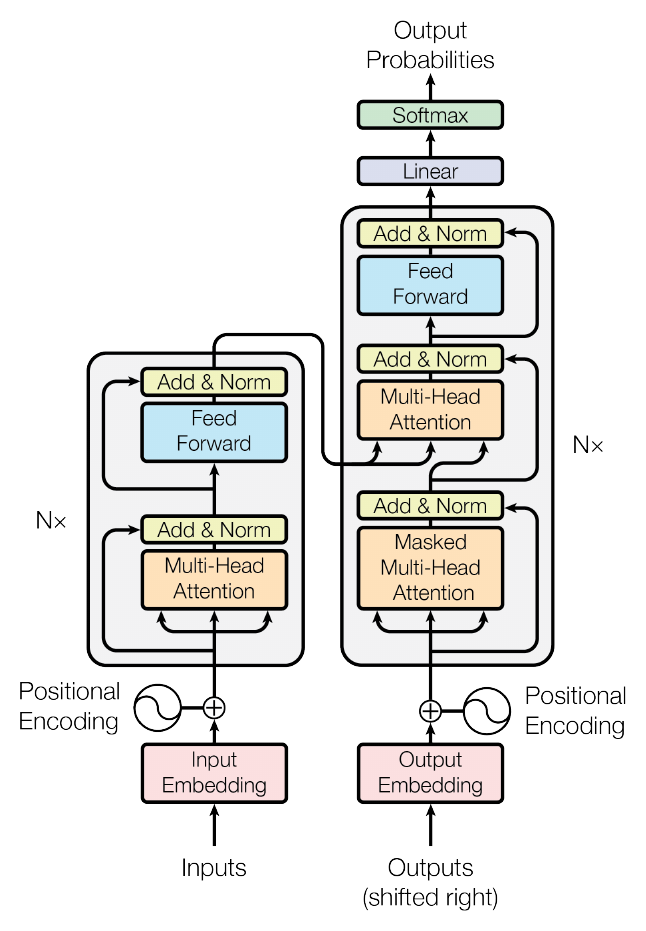
Translate a sentence and a word near the end may change how you read one near the beginning. The Transformer, described in a 2017 paper, used a mechanism called attention to let different positions in a sentence weigh information from one another. The authors tested the design by translating between languages.

Earlier systems often processed the input one step at a time, carrying information forward as they went. The Transformer did away with that recurrent structure. Its design made it easier to do more of the work in parallel during training, while adding information about the order in which words appeared.
Translation gave the design an early test
The paper reports results on English-to-German and English-to-French benchmarks. It showed the design could translate well under those test conditions. Its original form took a source sentence in one language and produced a sentence in another, a different job from the open-ended conversations associated with later Transformer models.
The historical connection is in the machinery. A design for deciding which parts of a sequence matter to one another proved useful well beyond the task that first demonstrated it.