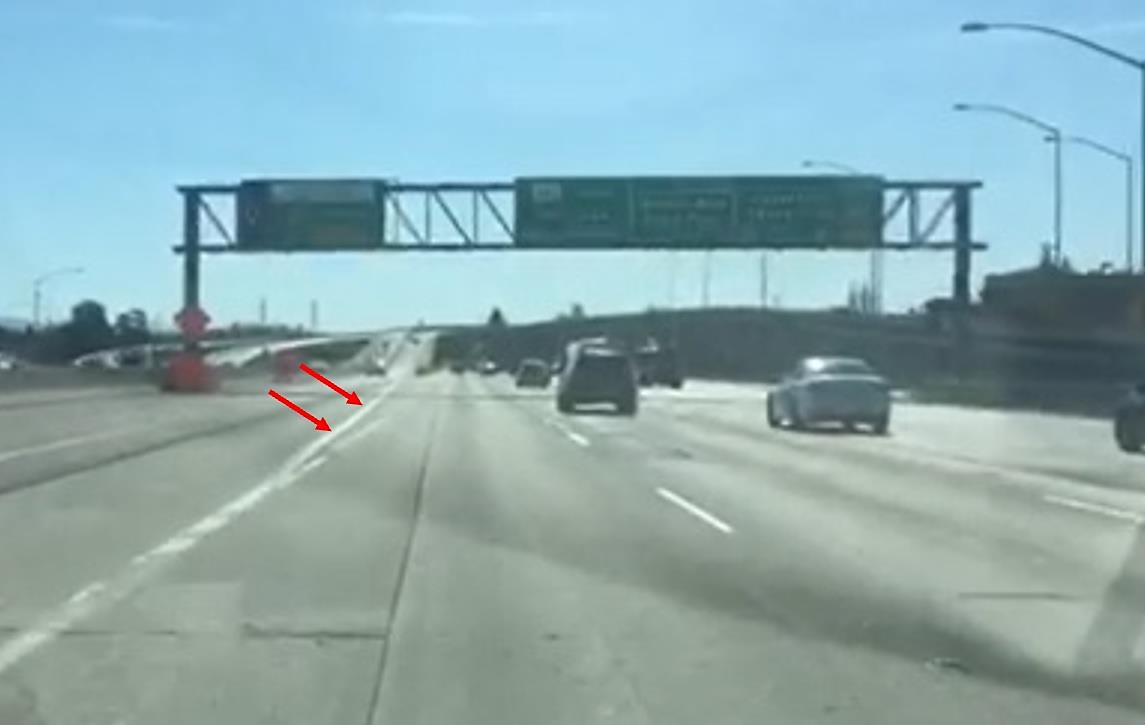
In March 2018, a Tesla Model X traveling on US 101 in Mountain View steered into the paved area between highway lanes and an exit ramp. The National Transportation Safety Board found that limitations in Tesla's Autopilot and the driver's lack of response contributed to the fatal crash. It also found that the system did a poor job of monitoring whether the driver was engaged.

Autopilot was providing partial driving automation. It handled steering and speed while the driver remained responsible for supervision. The investigation also identified a separate road failure. The crash cushion at the end of the barrier had been damaged and was no longer working, which the board found contributed to the severity of the driver's injuries.
The case shows how the safety of a partially automated car can depend on protections owned by different people and organizations. The vehicle's assistance, the driver's attention and the condition of the roadway all mattered.