The first run of a diamond experiment appeared to confirm the prediction. But when the lab repeated a reference measurement, the signal had shifted. According to an October 2026 preprint, the agents running the experiment treated the first result as inconclusive, changed how they collected measurements and tried again.


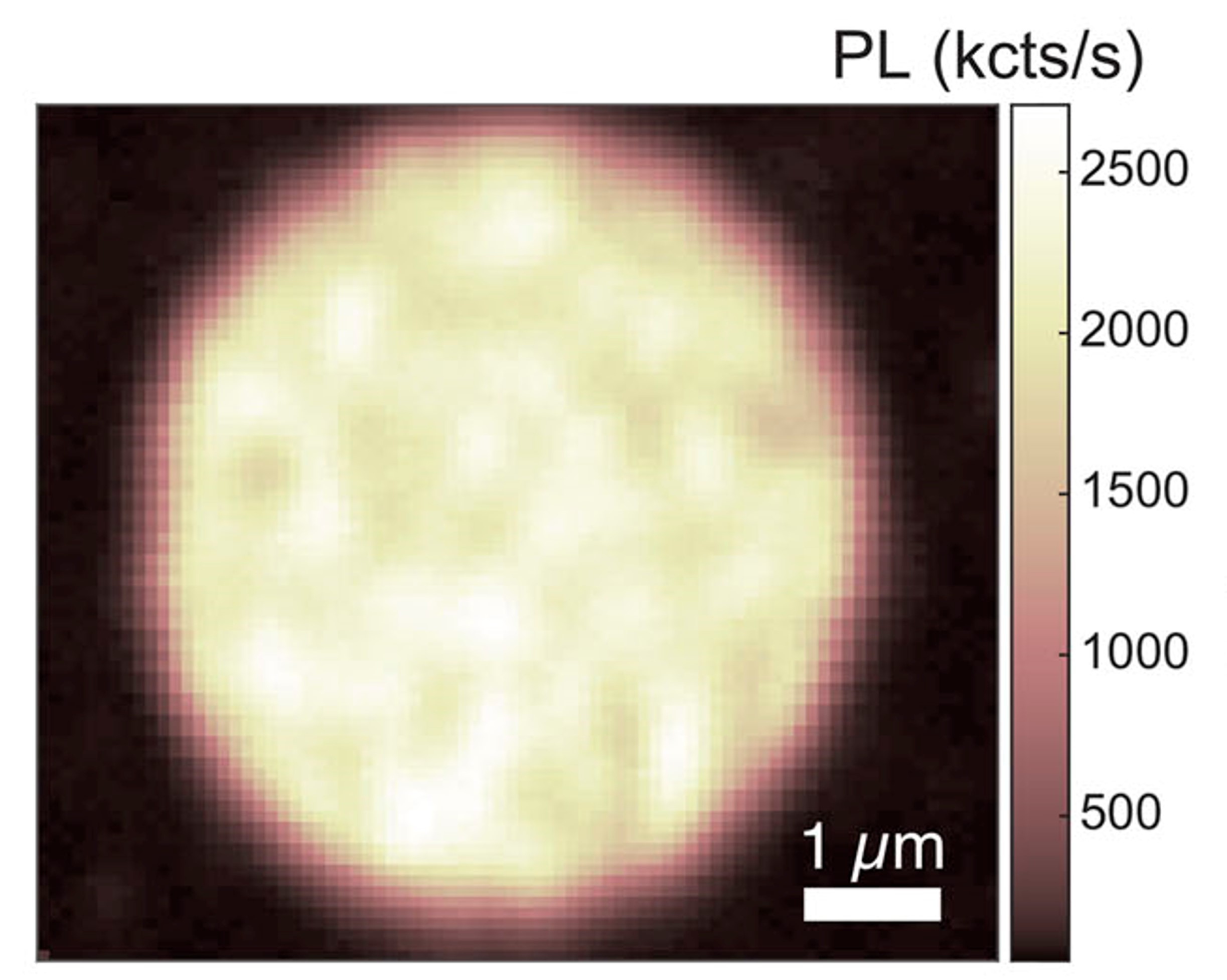
Figure 5 shows the reference measurements and preset limits that distinguished the two runs. Image by Mansouri and colleagues, CC BY 4.0, unchanged.
The work involved quantum spins in diamond. Spin is a property that can make a particle respond to a magnetic field, and carefully timed microwave pulses can change that response. The researchers set up a lab where AI agents could develop a question, check a theoretical prediction and choose an experiment. In this case, the agents worked out how few calibration settings they would need to predict a particular family of pulse responses.
Agreement with the prediction was only one check
A measurement that drifts can make two readings hard to compare, even if the final result looks like the one expected. The authors report that the agents changed the measurement protocol without loosening their criteria for accepting a result. The revised run passed the checks and supported the prediction.
This is one demonstration in a prepared lab, reported in a preprint. Its most useful detail is the record of a promising result the system had reason to set aside.