
In 16 Kenyan primary care clinics, clinicians could consult a language-model tool built into the electronic medical record. Researchers reviewed 1,469 encounters and found that its general management guidance almost always aligned with local guidelines. They also identified recommendations they judged actively harmful in 115 encounters. In 67, such a recommendation appeared in the final documentation.

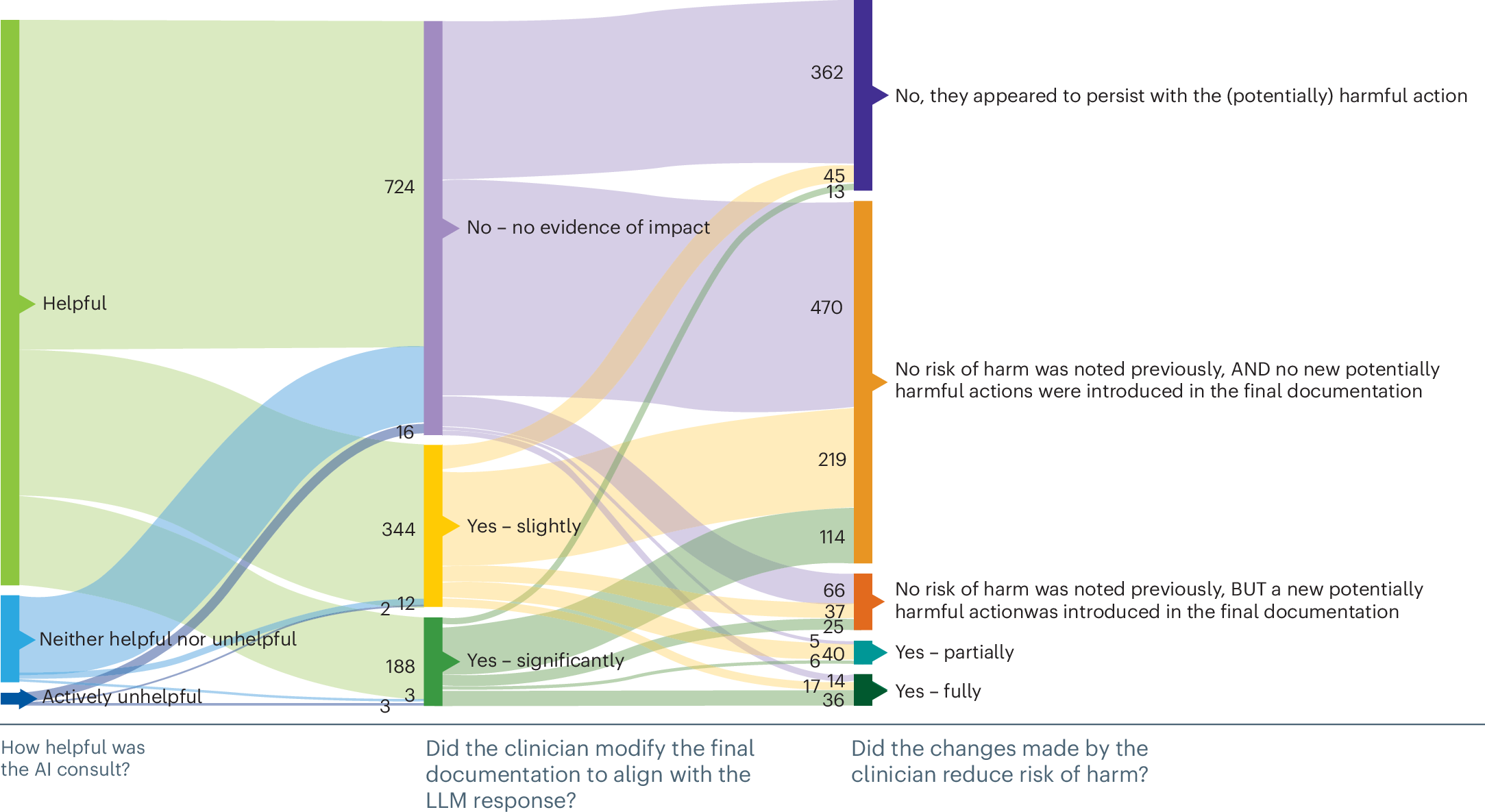
Figure 3 shows how the authors tracked changes in documentation and the risks associated with them. Image by Agweyu and colleagues, Nature Health, CC BY 4.0, unchanged.
The same review found 118 encounters where a risk in the initial notes was fully addressed in the final documentation. Reviewers worked backward from existing records. They could assess changes in the notes, but the study did not establish whether the model caused those changes or whether patients were helped or harmed.
The two findings belong together. The review gives clinics a way to look for individual problems that a broad measure of guideline alignment can hide, while also making visible where advice appears to have helped.