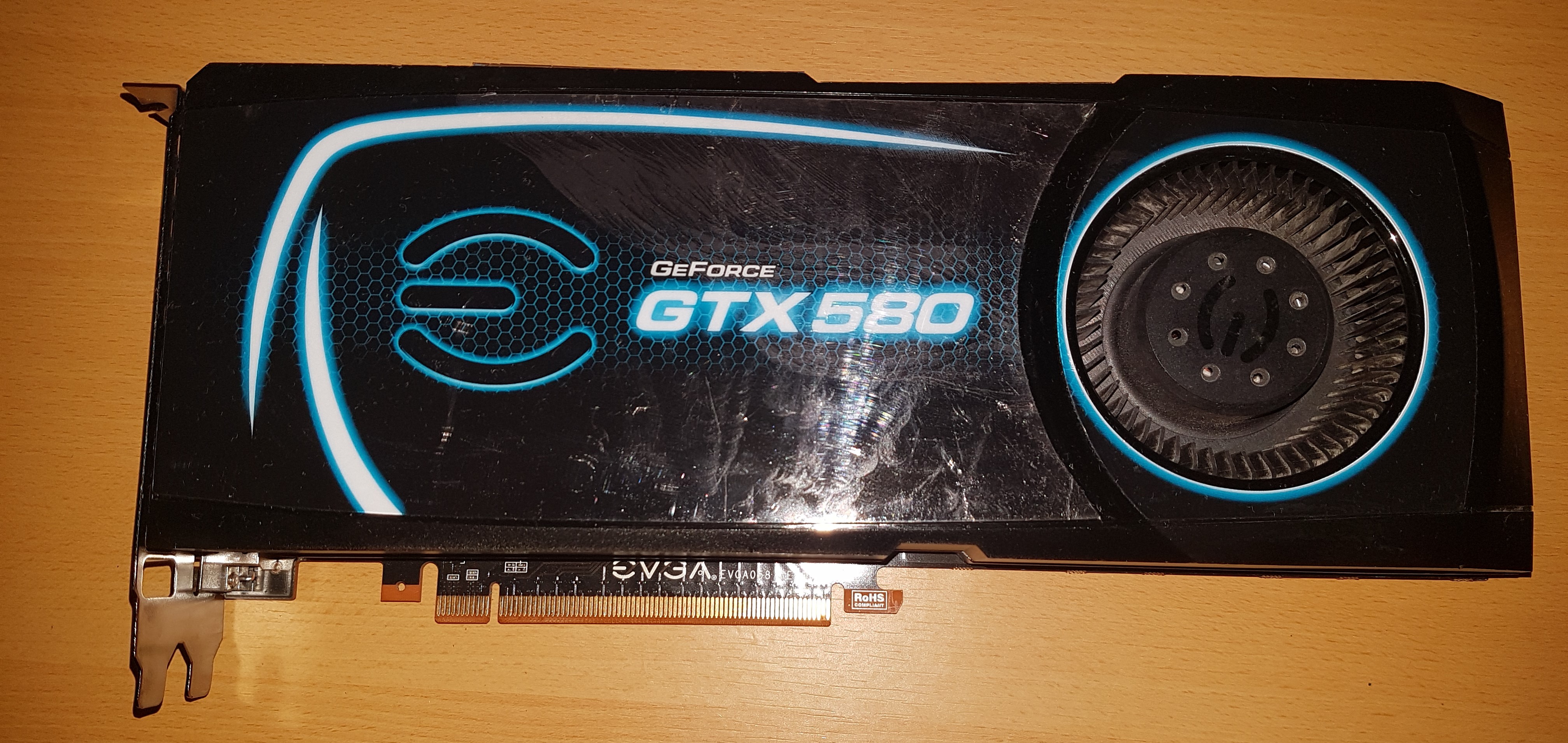
For an image-recognition contest, a program might get five chances to name what it sees. The entry described by Alex Krizhevsky, Ilya Sutskever and Geoffrey Hinton in 2012 missed the correct answer in its top five guesses 15.3 percent of the time on the contest test set. Their paper gives 26.2 percent for the second-best entry.


Their system used a convolutional neural network, which applies the same small pattern detectors at different places in an image. Stacking layers lets it build more complex patterns from simpler ones. The team trained the model on a large set of labeled images and used graphics processing units, chips that can perform many similar calculations at once.
A contest score made the change visible
The paper describes choices that helped a large network train on the hardware available, along with measures to keep it from relying too closely on the particular images it saw during training. The result belongs to a specific image-labeling benchmark and scoring rule. It showed that the combination of data, hardware and learned features could change what was possible on that test.