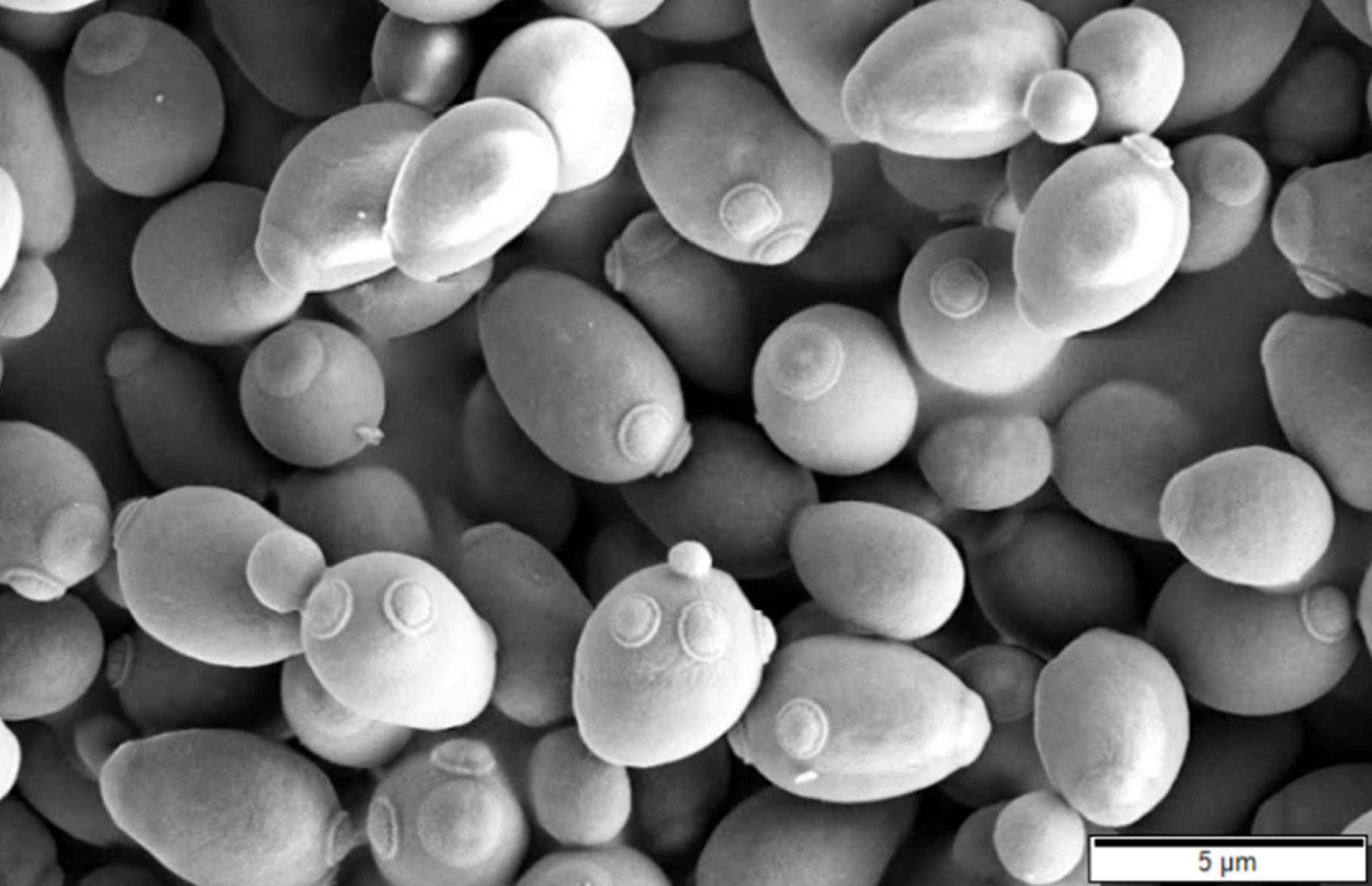
Some reactions that yeast cells carry out were familiar to biologists, yet the genes responsible for making the enzymes that drive those reactions remained unknown. In 2009, Ross King and colleagues reported a way to investigate the gap. Their robot scientist, Adam, used a computer model to propose genes, then ran experiments to see how yeast grew when those genes were missing.


The researchers supplied a logical model of the cell's chemistry. From that starting point Adam could predict how a strain of yeast would grow in different mixtures if it lacked a gene for a particular enzyme. Automated equipment handled the cultures and measured their growth over time.
The growth curve was a clue
Adam formulated and tested 20 hypotheses about genes for 13 enzymes. Growth patterns provided statistically significant support for 12 hypotheses that the authors said had no previous evidence. Because growth is an indirect measure, the scientists also purified proteins to check some of the proposed functions more directly.
The experiment gives a concrete answer to what it meant for a machine to do science in 2009. Adam could choose and test hypotheses within a model and experimental setup built by people. The team could then check what the robot's growth measurements had suggested using a different kind of experiment.